Preview edition — Poet of Blossom is still in progress. The poem is as it appears in the video; the commentary is a working draft.
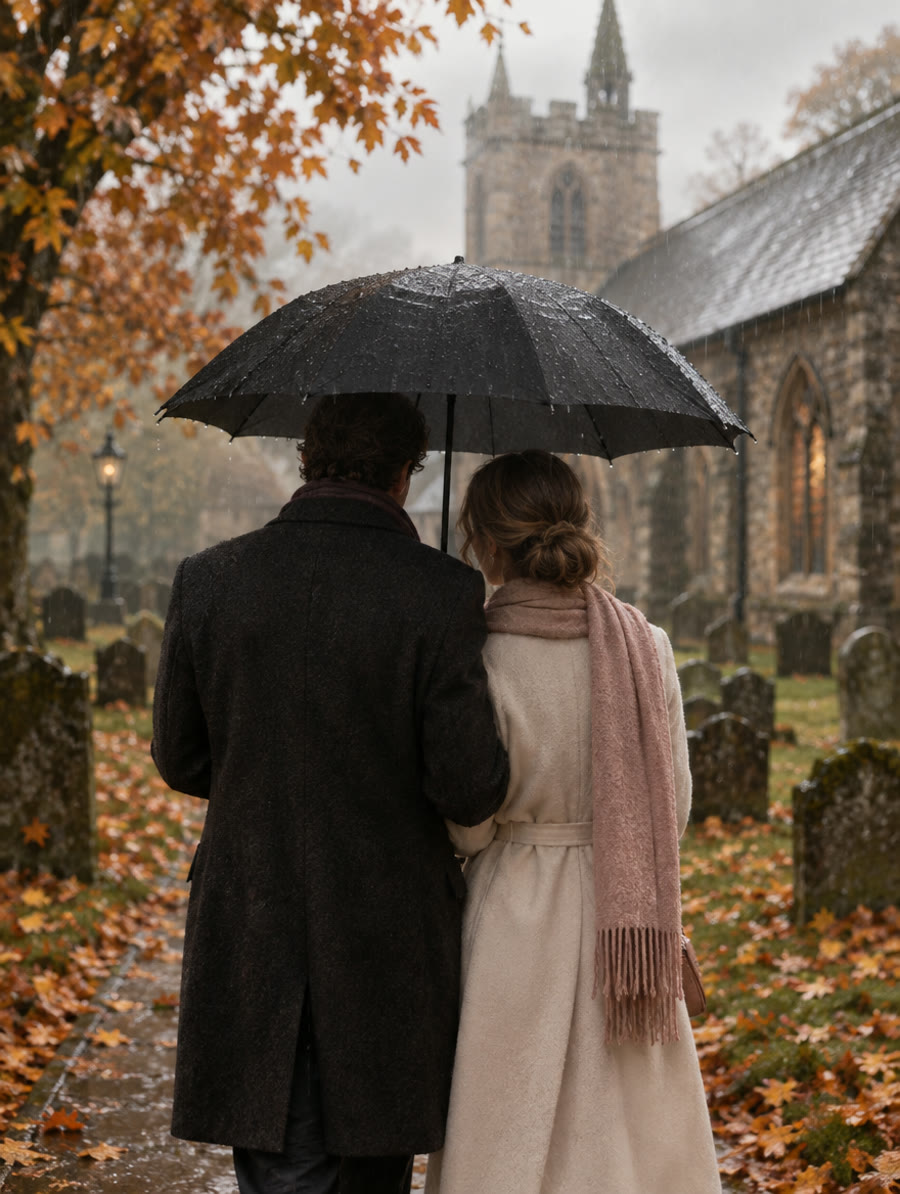
Indeed, it was the coldest of times
Dark clouds hovered over us, and the rains fell to its prime
Sadness had poured in our hearts to the brim
There was no sweetness here, for reality tasted bitter like a lime
At the funeral grounds, a little far from the church backyard, the priest beheld the ceremony of the burials of our loved ones
The rains poured mercifully, the winds blew ghastly this August
Black was the attire of everyone present with some flowers to present
Under one umbrella I held you closer whilst everywhere remained in respected silence
You pressed closer to my chest, to pour and soak your tears of sorrow into my clothes
I held you assuredly, brushing your wet hair from your tired face and whispered words of compassion
As the priest continued with teachings of love and encouragement, atmosphere of wandering and sorrow left and uplifting atmosphere of wonder slowly billowed around
I held your hands and massaged your gentle arms as we sat next to each other
You laid your head close to my shoulders and hands to feel my heart beat

You asked me why I'm been stoic, and don't I feel anything?
I told you I do, but I had seen too much to not be fragile but agile
You smiled and grabbed my hands close to yours
After the brief service, we talked a little more
How good our love felt
How good our sorrows slowly left
Death had been cold-blooded and struck our loved ones with a lightning theft
Yet the power of love covered us with good hefty rain
We will miss them for sure
Both the good memories and the moments to endure
Love ever true will take us through
After a while, we were greeted with empathy, and a wish to good ends
As we left the gathering and exchanged closing remarks, I believed and learnt from that day that love comes in it many ways to slow sorrow
Poet of Blossom · Hear it on the channel ↗
Commentary
This poem is a quiet, moving account of grief softened by love, set at a rain-soaked funeral. Through close, physical detail, it shows how presence, comfort and shared memory can slow the pull of sorrow.
The poem opens in “the coldest of times,” with “Dark clouds” overhead and “Sadness” that has poured “in our hearts to the brim.” At the funeral grounds near the church, the priest “beheld the ceremony of the burials of our loved ones” while the rains poured “mercifully” and the winds blew “ghastly.” Everyone wears black, holding “some flowers to present.”
Under one umbrella, the speaker holds the beloved close as tears soak into the speaker’s clothes, brushing back “your wet hair” and whispering “words of compassion.” As the priest speaks of love and encouragement, the mood begins to turn: “sorrow left” and an “uplifting atmosphere of wonder” billows around them. When the beloved asks why the speaker seems so stoic, the answer is that they have “seen too much to not be fragile but agile.” A smile and a clasp of hands follow.
After the service the two talk, and “How good our love felt / How good our sorrows slowly left.” Death, the speaker says, “struck our loved ones with a lightning theft,” yet “the power of love covered us.” They will miss those who have gone, “Both the good memories and the moments to endure,” and trust that “Love ever true will take us through.” Greeted with empathy as they leave, the speaker takes home one lesson from the day: that love has many ways “to slow sorrow.”